
AI Model Validation
What is model validation?
What is data labeling?
First, before getting to know data or model validation, we need to know data labeling. In machine learning, data labeling is about the process of adding labels or tags to raw data. These labels/tags create a representation of which class of objects the data belongs to. Besides, it helps a model of machine learning learn to recognize a certain class of objects when faced with data without a label or tag.What is model validation?

Data validation is a kind of service of data labeling
- In-sample validation: Data from the same dataset that was used to develop the model is utilized for testing.
- Out-of-sample validation: Data from a new dataset that wasn’t utilized to develop the model is being tested.
How does model validation work?
Any machine learning model’s ultimate goal is to learn from examples in such a way that the model can apply what it’s learned to new situations it hasn’t encountered before. As a result, finding the correct machine learning technique to develop our model is critical when approaching a problem with a dataset in hand. Every model has its own set of advantages and disadvantages. Some algorithms, for example, are better with little datasets, while others are better with enormous amounts of data. As a result, two distinct models utilizing comparable data can predict different outcomes with varying degrees of accuracy, necessitating model validation. The following is a timeline for data validation:- Make a decision on a machine learning algorithm.
- Choose the hyperparameters of the model.
- Match the training data to the model.
- Predict labels for new data using the model.
How is model validation crucial?

Model Validation is crucial to AI developments
Now that we’ve seen model validation in action, we can all see how critical it is to the entire model development process. It is critical to validate the machine learning model’s outputs in order to assure their accuracy. When a machine learning model is created, a large amount of training data is used, and the primary goal of model validation allows machine learning engineers to increase the data quality and quantity. It turns out that relying on a model’s forecast without first evaluating and validating it is a bad idea.
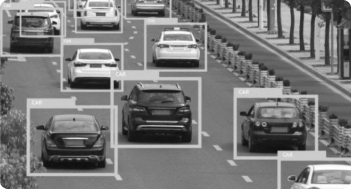
In sensitive sectors such as healthcare and self-driving automobiles, any error in object detection can result in severe fatalities due to the machine’s incorrect judgements in real-life forecasts. Validating the machine learning model during the training and development stages also aids in the model’s ability to produce accurate predictions. The following are some additional benefits of data validation:

- Flexibility and scalability
- Reduce your expenditures.
- Improve the model’s quality.
- Much more mistakes are being explored.
- Prevents the model from becoming underfitting and overfitting.
Model validation service from TagOn – A scaling-up solution for AI data labeling
TagOn – Model Validation services