 Daily life is guided by algorithms. Even the simplest decisions — an estimated time of arrival from a GPS app or the next song in the streaming queue — can filter through artificial intelligence and machine learning algorithms. We rely on these algorithms for a number of different reasons which include personalization and efficiency. But their ability to deliver on these promises is dependent on data annotation: the process of accurately labeling datasets to train artificial intelligence to make future decisions. Data annotation is the workhorse behind our algorithm-driven world.
What is data annotation?
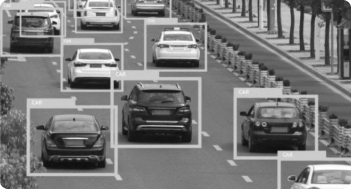
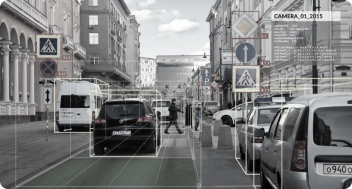
Computers can’t process visual information the way human brains do: A computer needs to be told what it’s interpreting and provide a context in order to make decisions. Data annotation makes those connections. It’s the human-led task of labeling content such as text, audio, images, and video so it can be recognized by machine learning models and used to make predictions. Data annotation is both a critical and impressive feat when you consider the current rate of data creation. By 2025, an estimated 463 exabytes of data will be created globally on a daily basis, according to The Visual Capitalist — and that research was done before the COVID-19 pandemic accelerated the role of data in daily interactions. Now, the global data annotation tools market is projected to grow nearly 30% annually over the next six years, according to GM Insights, especially in the automotive, retail, and healthcare sectors.
What is data annotation